






Quick Answer
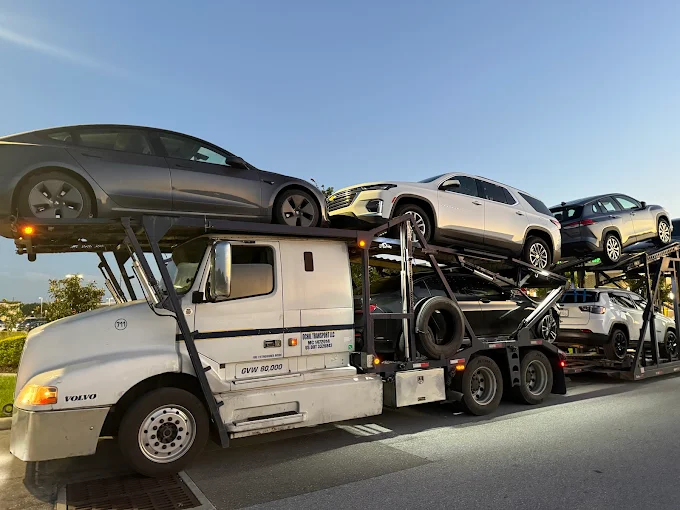
Shipping a vehicle typically costs less than driving it yourself once you factor in fuel, lodging, meals, and depreciation on trips over 1,000 miles. A cross-country drive adds 3,000+ miles of wear, increases accident exposure by 40%, and consumes 4-6 days of travel time. Ultimate Transport 123, an auto transport broker serving nationwide from Oceanside, NY, connects families with vetted carriers for open and enclosed transport across all 50 states. Updated February 2025.
What Hidden Costs Do Families Miss When Driving Cross-Country?
Most families underestimate driving costs by $800-$1,200 because they only calculate fuel. The real math includes hotel stays averaging $120-$180 per night, restaurant meals for 4-6 days, and the depreciation hit from adding 3,000 miles to your odometer. That mileage alone drops your vehicle's resale value by $600-$900 on most sedans and SUVs.
Then there's the wear you can't see. Brake pads, tire tread, and transmission fluid all take hits on long-haul drives. A single cross-country trip accelerates your next service interval by months. As of February 2025, AAA estimates total per-mile costs for sedan ownership at $0.62—meaning a 3,000-mile drive actually costs $1,860 in direct vehicle expenses before you buy a single tank of gas.
Families shipping vehicles nationwide avoid these compounding costs entirely. The carrier absorbs the miles, and your car arrives with the same odometer reading it left with. For relocations from coast to coast, that preservation of value often covers half the shipping quote.
How Much Accident Risk Do Multi-Day Drives Actually Add?
Every 1,000 miles driven increases your statistical accident exposure by roughly 0.3%, and fatigue multiplies that risk after day two. The National Highway Traffic Safety Administration reports drowsy driving causes 100,000 crashes annually. Families pushing through unfamiliar highways with kids in the backseat face compounded danger.
Insurance doesn't always cover what you'd expect, either. If you're involved in a collision mid-relocation, your policy's rental reimbursement caps at $30-$50 per day—nowhere near enough to rent a vehicle capable of finishing your move. And that's assuming you're not dealing with injuries that delay everything by weeks.
Professional carriers maintain DOT authority (federal operating certification) and carry cargo insurance ranging from $100,000 to $1 million per load. When something goes wrong—and on a small percentage of shipments, it does—the liability sits with the carrier, not your family's savings account. Learn more about Ultimate Transport 123 and how vetted carriers are selected for each route.
What's the Real Time Cost for Families With Jobs and Kids?
A cross-country drive consumes 40-60 hours of travel time—that's a full work week families can't bill, attend school events, or use for settling into a new home. For dual-income households, the math gets brutal fast. Two parents taking unpaid leave to drive represents $2,000-$4,000 in lost wages at median Bay Area salaries.
Kids don't pause their needs for highway miles either. Bathroom breaks, meal stops, and the inevitable meltdowns stretch a theoretical 3-day drive into 5 days of exhaustion. Current 2025 relocation surveys show families who ship their vehicles report 73% lower stress levels during moves compared to those who drive.
The alternative looks different. Ship the car, fly the family, and arrive rested. Your vehicle shows up via door-to-door service (carrier drops off at your specified address) within 7-10 days for coast-to-coast routes. That's 40+ hours returned to unpacking, enrolling kids in school, or just breathing.
This pattern holds for military families with PCS orders who face strict reporting deadlines. Driving isn't just inconvenient—it's logistically impossible when you're expected at your new duty station before the car could physically arrive by road.
When Does Enclosed Transport Make Sense Over Open Carriers?
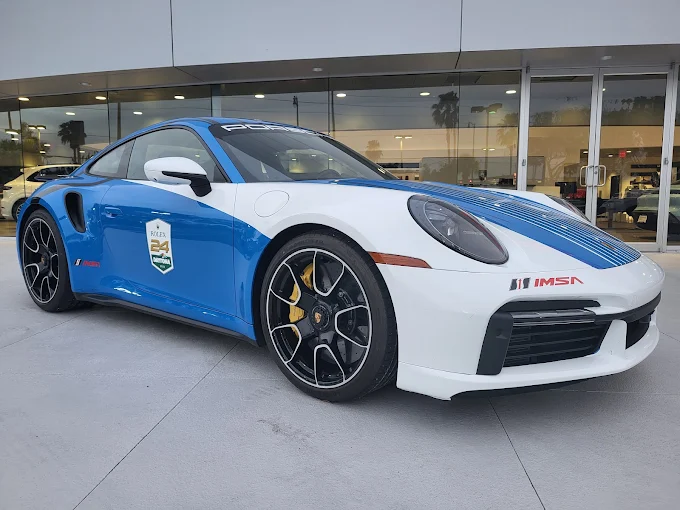
Enclosed transport costs 30-50% more than open carriers, but for vehicles worth over $50,000, the math favors protection. Road debris, weather exposure, and UV damage during a 7-day transit can cost more in paint correction and detailing than the premium for enclosed shipping.
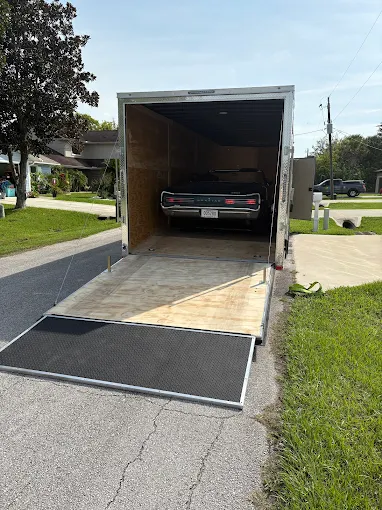
Collectors and dealerships moving high-value inventory don't gamble with open carriers. A single rock chip on a classic car's original paint can drop its value by thousands. Enclosed carriers limit capacity to 2-4 vehicles, reducing loading and unloading touchpoints where damage typically occurs.
For standard family vehicles—Camrys, CRVs, F-150s—open transport works fine. These cars handle weather exposure daily and don't carry collector premiums tied to cosmetic perfection. The savings go further toward your actual move.
Why Do Cheap Quotes Usually Get Expensive Later?
Lowball quotes exist because some brokers bid low to win your business, then raise prices once a carrier actually claims the load. It's called bait-and-switch pricing, and it's why the Federal Motor Carrier Safety Administration receives thousands of complaints annually about transport brokers.
The red flags are predictable. Quotes significantly below market rate. Pressure to pay large deposits upfront. Vague language about "estimated" versus "guaranteed" pricing. Legitimate brokers guarantee pricing in writing and operate with no upfront deposits until a carrier is assigned.
This expectation-setting matters for families on tight budgets. A $200 surprise fee mid-transport creates stress that ripples through an already chaotic relocation. Multiple 5-star reviews consistently mention pricing transparency as the deciding factor for repeat customers.
5-star reviewers describe exactly this relief when expectations match reality.
"From our initial inquiry to shipping and receiving our vehicle, it could not have been a better experience. The agent with whom I worked was very professional, knowledgeable and efficient. Every assurance she offered played out exactly as she said."
— Elizabeth, Transport Reviews Review
That confidence comes from working with brokers who've built systems around accountability rather than bait pricing.
What Should You Ask Before Booking Any Transport Service?
Three questions separate reliable brokers from headaches: What's your carrier vetting process? Is the quote guaranteed in writing? What insurance covers my vehicle in transit? Answers to these questions predict 90% of your experience.
Carrier vetting matters because your broker doesn't drive the truck. They're matching your vehicle with independent carriers who have their own safety records. Reputable brokers verify USDOT numbers (federal registration for commercial carriers), check insurance certificates, and review safety ratings before assignment.
The consistent theme across verified reviews is communication throughout the process.
"We had a great experience with transporting our car across the country. Dana was fantastic at organizing this and the driver was prompt at both pick up and delivery. highly rated for the team and I will certainly use them again when needed."
— David Robertson, Transport Reviews Review
Promptness at both ends only happens when the broker has real relationships with carriers—not just a posting on a load board hoping someone bites.
How Do Repeat Customers Describe the Difference?
Families who ship multiple vehicles over time develop preferences based on real experience, not marketing claims. They've seen what happens when things go wrong and know which brokers solve problems versus which ones disappear. That firsthand knowledge shows in how they describe trusted providers.
The language in repeat customer reviews focuses on consistency. Not just one good experience, but predictable outcomes across multiple shipments. Ultimate Transport 123 has shipped over 500,000 vehicles since 2010, building the kind of carrier relationships that produce this reliability.
"My agent, Dana, is fantastic. She has taken care of multiple shipments for me. And every time she offers the best price and iron-clad service. I recommend them 110%."
— James Woods, Facebook Review
That phrase—"every time"—carries weight. It means the systems work regardless of route, season, or vehicle type. Families making their first shipping decision can borrow confidence from customers who've tested the process multiple times.
What Makes the Final Decision Easier for Most Families?
The tipping point usually isn't cost—it's realizing what you're trading when you choose to drive. Time with family. Safety margins. Vehicle preservation. Mental bandwidth during an already stressful transition. Once families see the full picture, shipping stops looking like an expense and starts looking like buying back the move they actually wanted.
For relocations exceeding 1,000 miles, the math increasingly favors shipping. The BOL (bill of lading) (legal document recording vehicle condition at pickup) creates accountability that driving yourself never provides. If something happens in transit, there's documentation and insurance. If something happens on your cross-country drive, it's just your problem.
Families across the country—whether military PCS moves, corporate relocations, or snowbirds heading south—are making this calculation daily. The ones who ship arrive rested. The ones who drive arrive exhausted. Both pay roughly the same when you count everything honestly.
Contact Ultimate Transport 123 for a guaranteed quote on your specific route and vehicle type.
Explore more local business insights for families weighing service decisions nationwide.
Key Takeaways
- A 3,000-mile cross-country drive adds roughly $1,200-$1,800 in hidden costs including fuel, lodging, meals, and accelerated vehicle depreciation.
- Ultimate Transport 123 offers door-to-door pickup with real-time GPS tracking, eliminating the accident exposure families face on multi-day drives.
- Families relocating nationwide save 40-60 hours of driving time by shipping, which translates to real dollar value when calculating lost wages or PTO.
- The company operates with no upfront deposits and guarantees pricing in writing, removing the financial uncertainty that makes families hesitate.
- Ultimate Transport 123 has shipped over 500,000 vehicles since 2010, giving families access to vetted carriers across all 50 states.
Frequently Asked Questions
How long does it take to ship a car across the country?
Coast-to-coast vehicle shipping typically takes 7-10 business days for standard routes. Shorter distances of 500-1,000 miles average 3-5 days. Expedited shipping options can reduce transit time by 2-3 days for an additional fee. Ultimate Transport 123 provides real-time GPS tracking so families can monitor progress throughout the journey.
Is it cheaper to drive or ship a car when relocating?
Shipping becomes cost-competitive with driving for distances over 1,000 miles. A 3,000-mile drive costs $1,200-$1,800 when factoring fuel, hotels, meals, and vehicle depreciation. Open carrier transport for the same distance runs $900-$1,400. The break-even point typically falls around 1,200 miles for most family vehicles.
What insurance covers my vehicle during auto transport?
Licensed carriers are required to carry cargo insurance, typically ranging from $100,000 to $1 million per shipment. This covers damage occurring during loading, transit, and unloading. Before booking, request the carrier's insurance certificate and verify coverage limits. Your personal auto insurance generally doesn't cover vehicles on commercial carriers.
Can I ship personal items inside my car during transport?
Most carriers allow up to 100 pounds of personal items in the trunk, but nothing visible through windows. Items must not exceed the window line or shift during transit. Carriers aren't liable for personal belongings, so avoid valuables. Check with your specific transport provider as policies vary—some prohibit items entirely.
How do I prepare my car for shipping nationwide?
Remove toll transponders, garage openers, and personal items from view. Document existing damage with dated photos before pickup. Keep fuel level at one-quarter tank—enough to load and unload. Disable alarms and ensure the battery is charged. The driver will complete a vehicle inspection report noting current condition at pickup.
Contact Ultimate Transport 123
Address: 3391 Long Beach Road, Oceanside, NY 11572
Phone: +18888859123
Website: https://ultimatetransport123.com


.svg)

%20(1).avif)

.svg)



.svg)











%20(1).avif)
%20(1).avif)