




Quick Answer
Automated tattoo pricing tools miscalculate fine line work costs by 30-50% because they can't assess needle technique or detail complexity. These apps use averages that ignore single-needle precision, skin placement challenges, and custom design time. Moon Beam Chels, a fine line tattoo artist in Salt Lake City, UT, provides personalized consultations that account for the technical factors pricing algorithms miss. Updated May 2025.
Why Do Pricing Apps Fail at Fine Line Estimates?
Automated quoting tools use averaging logic that treats all tattoo styles as interchangeable—but fine line work breaks every assumption they're built on. These apps pull from databases of hourly rates and size measurements. They don't account for single-needle technique (using one needle instead of grouped configurations), which moves slower and demands more precision. A three-inch design in bold traditional style takes half the time of the same size in delicate fine line work.
The gap gets worse with intricate designs. When an app sees "floral forearm piece," it calculates based on average floral tattoos. But fine line florals require stippling (dot shading for subtle gradients), whip shading, and careful saturation control. As of May 2025, no major pricing tool distinguishes between these techniques. That's why clients in Salt Lake City who rely on app estimates often show up expecting one price and hear another.
Learn more about Moon Beam Chels and how personalized consultations replace guesswork with accurate expectations.
What Pricing Factors Do Apps Completely Miss?
Skin type, body placement, and healing considerations change fine line pricing by 40% or more—and apps have no input fields for any of them. Thin skin on inner arms or ribs requires slower needle work to prevent blowouts (ink spreading under the skin). Curved surfaces like wrists or ankles demand constant repositioning. These aren't optional upgrades. They're baseline requirements for quality results.
Custom design time is another blind spot. Unlike flash sheets where artists use pre-drawn designs, fine line specialists often spend hours creating original artwork before the appointment. That consultation and design phase isn't billable through an app's "size × hourly rate" formula. Clients who skip direct artist conversations miss the chance to understand what they're actually paying for.
Salt Lake City artists who specialize in delicate work build these factors into transparent quotes. The difference between an app estimate and a real quote isn't padding—it's accuracy.
When Does a Wrong Quote Create Real Problems?
Underquoted clients either pay more than expected or pressure artists to rush—and rushed fine line work shows for decades. When someone budgets $200 based on an app and the real cost is $350, the conversation gets uncomfortable. Some clients ask to simplify the design. Others ask the artist to work faster. Neither option produces the tattoo they actually wanted.
The risk compounds with touch-up expectations. Fine line tattoos naturally fade faster than bold work because less ink sits in the skin. Professional artists in Salt Lake City factor potential touch-up sessions into their initial consultation. Pricing apps don't mention touch-ups at all. So clients who relied on automated estimates often feel blindsided when they learn aftercare extends beyond the first session.
This feedback pattern shows up consistently in how clients describe their experiences.
"Chels is so amazing! I got my first tattoo from her a couple of years ago, and I was so excited to design this fine-line floral with her. She went out of her way to make sure the design and placement were exactly what I wanted, and she always makes me feel so comfortable in the chair. I recommend her to all of my friends — if you're looking for an incredible tattoo and a really positive experience, Chels is who you want to go to!"
— Jessica V., Facebook Review
That kind of design collaboration happens because the artist invested time upfront—time no algorithm budgets for.
How Do Experienced Artists Quote Differently Than Apps?
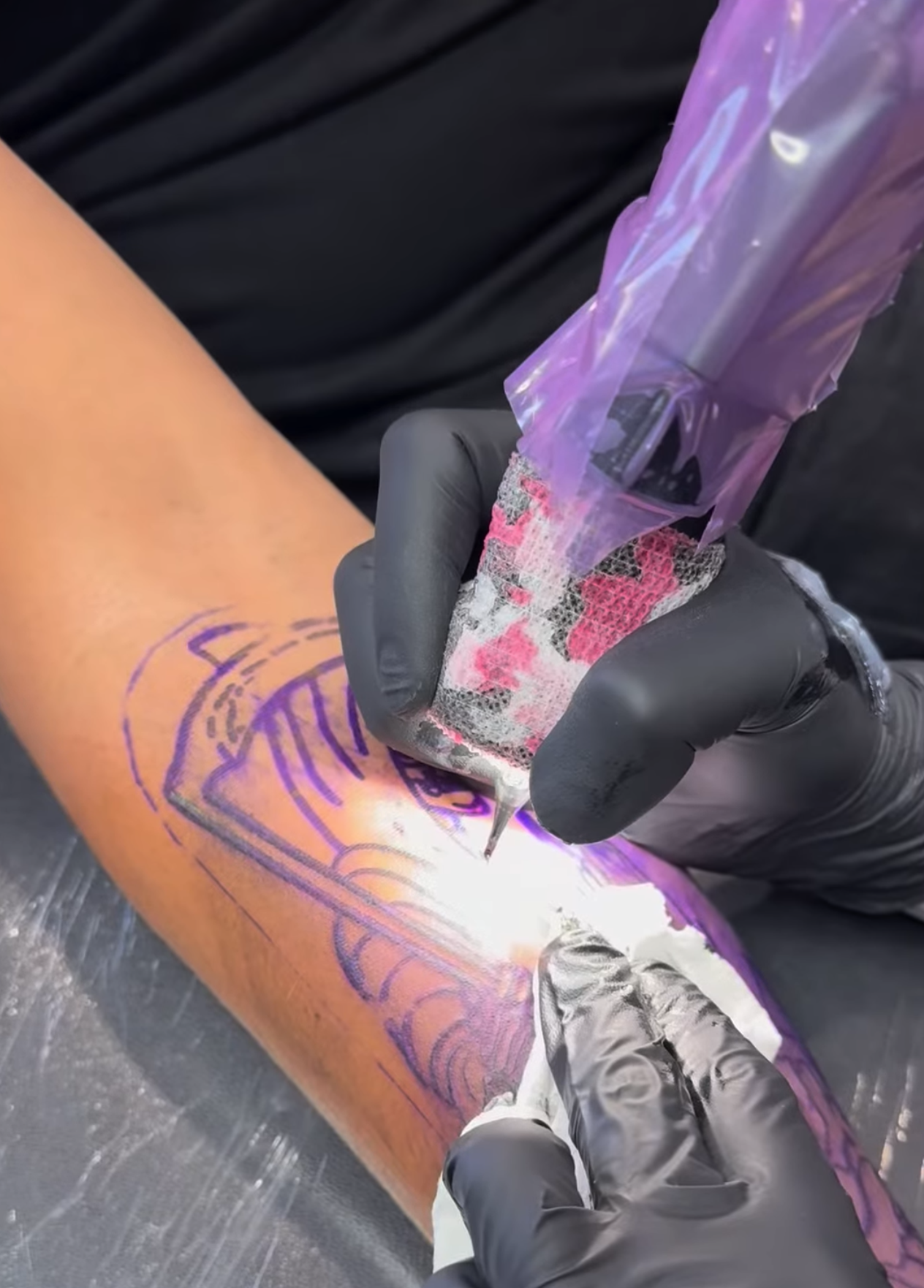
Professional fine line artists assess your specific skin, placement, and design before naming any number—because the honest answer depends on variables apps can't see. A consultation covers skin elasticity, previous tattoo history, and how the design will age in that specific location. These aren't upsells. They're the baseline for accurate pricing.
Moon Beam Chels, working from Gypsie Soul Tattoo in Salt Lake City, builds custom quotes around each client's goals. That means asking questions an app never would: How visible should the line work be in five years? Do you want this design to stand alone or connect to future pieces? What's your pain tolerance for slower, more detailed sessions?
The attention to individual circumstances shows up in 5-star reviews that mention the same themes repeatedly.
"Chels is amazing and does beautiful work, and you won't find a sweeter artist in SLC! She has wonderful attention to detail, and I can't praise her work enough. I'm so excited to get more work done by her."
— Hailey B., Facebook Review
When clients return for additional work, that's trust built through transparent communication—not luck.
What Should You Ask Before Trusting Any Quote?
Whether the number comes from an app or an artist, ask what's included—design time, placement adjustments, and touch-up policies tell you if the quote reflects reality. Automated tools don't disclose their assumptions. Artists who quote transparently will explain exactly what drives the price up or down for your specific piece.
Start with these questions before any session in Salt Lake City or anywhere else: Does this quote include the consultation and custom design? What happens if the stencil needs repositioning during placement? Is there a separate charge for touch-ups within the first year? How does the artist adjust for tricky placements like ribs or fingers?
Clients who ask these questions upfront rarely face surprise costs later. Current 2025 guidelines from professional tattoo organizations recommend written quotes that itemize design, session time, and aftercare expectations separately.
Why Does Direct Communication Protect Your Investment?
Fine line tattoos cost more than bold styles because they demand more skill—and the only way to know if you're paying for skill or overhead is to talk to the person doing the work. Apps aggregate pricing from studios with wildly different talent levels. Direct consultations let you evaluate portfolios, ask about technique, and gauge whether the artist understands what you want.
That direct line matters especially for first-time clients navigating decisions they'll live with permanently. Multiple 5-star reviews highlight how that communication transforms the experience.
"I've gotten multiple tattoos from Chels! She is such an incredible artist and makes you feel super comfortable while she's working."
— Tori D., Google Review
Repeat clients don't happen because of convenient pricing apps. They happen because the first experience delivered exactly what was promised.
To start a conversation about your fine line tattoo, text 801-678-7275 or DM on Instagram @moonbeam_art. Contact Moon Beam Chels directly to get a quote that actually reflects your design.
Explore more local business insights for Salt Lake City services and beyond.
Key Takeaways
- Automated pricing tools can't measure needle technique variations that affect fine line tattoo costs by 30-50%
- Moon Beam Chels provides personalized consultations that account for skin type, placement, and design complexity
- Salt Lake City clients avoid pricing surprises by working directly with artists who understand intricate detail work
- Fine line tattoos require single-needle precision that generic calculators weren't built to assess
- Custom quotes from experienced artists protect both your budget and your final result
Frequently Asked Questions
Why do automated tattoo pricing tools give inaccurate estimates for fine line work?
Automated tools calculate prices using size and hourly averages. They can't assess single-needle technique, skin type variations, or custom design complexity. Fine line work requires 30-50% more time than bold styles of the same size. That's why app estimates consistently fall short of actual session costs.
How much more does fine line tattoo work typically cost compared to traditional styles?
Fine line tattoos generally cost 30-50% more than traditional bold work of similar size. The difference comes from slower needle speed, single-needle precision, and extended design consultation. Artists specializing in delicate work factor these technique requirements into transparent quotes during consultations.
What questions should I ask a tattoo artist before booking a fine line session?
Ask whether the quote includes custom design time and consultations. Confirm touch-up policies for the first year. Request details about how placement challenges affect pricing. Understanding these factors upfront prevents surprises and ensures your budget matches the actual scope of work.
Do fine line tattoos require more touch-ups than other styles?
Yes, fine line tattoos typically need touch-ups sooner than bold traditional work. Less ink deposits in the skin during single-needle application. Professional artists discuss this during consultation and may include first-year touch-up sessions in their pricing structure.
Where can I find accurate fine line tattoo pricing in Salt Lake City, UT?
Direct consultations with experienced fine line artists provide the most accurate pricing in Salt Lake City. Artists assess your specific skin type, placement complexity, and design details before quoting. This personalized approach replaces generic app estimates with numbers that reflect your actual tattoo.



.svg)

%20(1).avif)
.svg)




.svg)










%20(1).avif)
%20(1).avif)