





Quick Answer
Summer tech survives beach conditions when it carries IP67 or higher ingress protection ratings and features sealed port covers. Devices rated IP68 handle freshwater submersion up to 1.5 meters for 30 minutes, though saltwater and fine sand create different challenges. Quick Tech Store, an online tech retailer based in Burlington, Iowa, ships waterproof speakers, ruggedized phone accessories, and beach-ready wearables to customers nationwide. Updated June 2025.
What Does an IP Rating Actually Tell You About Beach Survival?
An IP rating reveals exactly how much water and dust your device can handle before damage occurs. The two-digit code breaks down simply: the first number measures solid particle protection (like sand), while the second measures liquid resistance. An IP68 rating means total dust protection and submersion survival up to 1.5 meters. But here's what trips people up—those ratings come from lab tests using freshwater and controlled dust, not actual beach sand or saltwater.
Beach sand is finer than test dust. It finds gaps that lab particles can't. And saltwater corrodes internal components even when seals hold. So that IP68 speaker you're counting on? It'll survive a pool splash. A wave at the shore is a different story. Learn more about Quick Tech Store and their selection of beach-rated tech that accounts for real-world conditions.
As of June 2025, manufacturers have started listing saltwater resistance separately from standard IP ratings. Look for "marine grade" or "saltwater tested" labels if you're heading to ocean beaches rather than lakes or pools.
Why Does Sand Destroy More Tech Than Water Does?
Sand particles act like microscopic abrasives that scratch screens and jam mechanical components within minutes of exposure. Water damage is dramatic—you see it happen. Sand damage is sneaky. It works its way into charging ports, speaker grilles, and button mechanisms. Then it grinds away every time you use those features.
The ingress protection (how well seals block particles) on most consumer electronics assumes occasional dust exposure, not sustained contact with fine beach sand. That's why a phone that survives construction site dust can fail after one beach day. The particle size matters. Beach sand averages 0.1 to 2 millimeters—small enough to slip past seals designed for larger debris.
Silicone port covers (flexible plugs that seal charging and audio jacks) add a critical layer of protection. They're cheap—usually under five dollars—and they're the difference between a speaker that lasts four summers and one that dies in July.
Which Bluetooth Speakers Actually Hold Up at the Shore?
Speakers with IP67 ratings and rubberized exteriors consistently survive multiple beach seasons while budget options fail within weeks. The difference isn't just water resistance—it's thermal management (how devices handle heat buildup). Beach speakers sit in direct sun. Internal temperatures can exceed 120°F. That kills batteries and warps plastic housings faster than any splash.
This experience shows up consistently in customer feedback about durable audio gear.
"Ordered the JBL Flip 6 and it arrived faster than expected. Packaging was secure and the speaker works perfectly. Great price compared to everywhere else I looked."
— Maria P., Other Review
That kind of durability comes from buying gear designed for outdoor abuse, not just marketed as "water resistant."
Look for speakers with passive radiators rather than exposed ports. The sealed design handles sand better. And check battery specs—you want at least 12 hours of playback, because running a speaker hot while charging accelerates wear.
When Does Heat Damage Tech Faster Than Water?
Electronics begin suffering permanent damage when internal temperatures exceed 95°F, which happens within 20 minutes of direct beach sun exposure. Most people worry about waves. They should worry about towels. Leaving a phone under a towel on hot sand creates a heat trap. Temperatures spike past 140°F. Batteries swell. Screens separate from housings. Data corrupts.
While some providers focus on waterproofing alone, heat management separates gear that survives beach trips from gear that doesn't. Current 2025 guidelines from manufacturers recommend keeping devices in insulated cooler bags—not for cold, but for temperature stability.
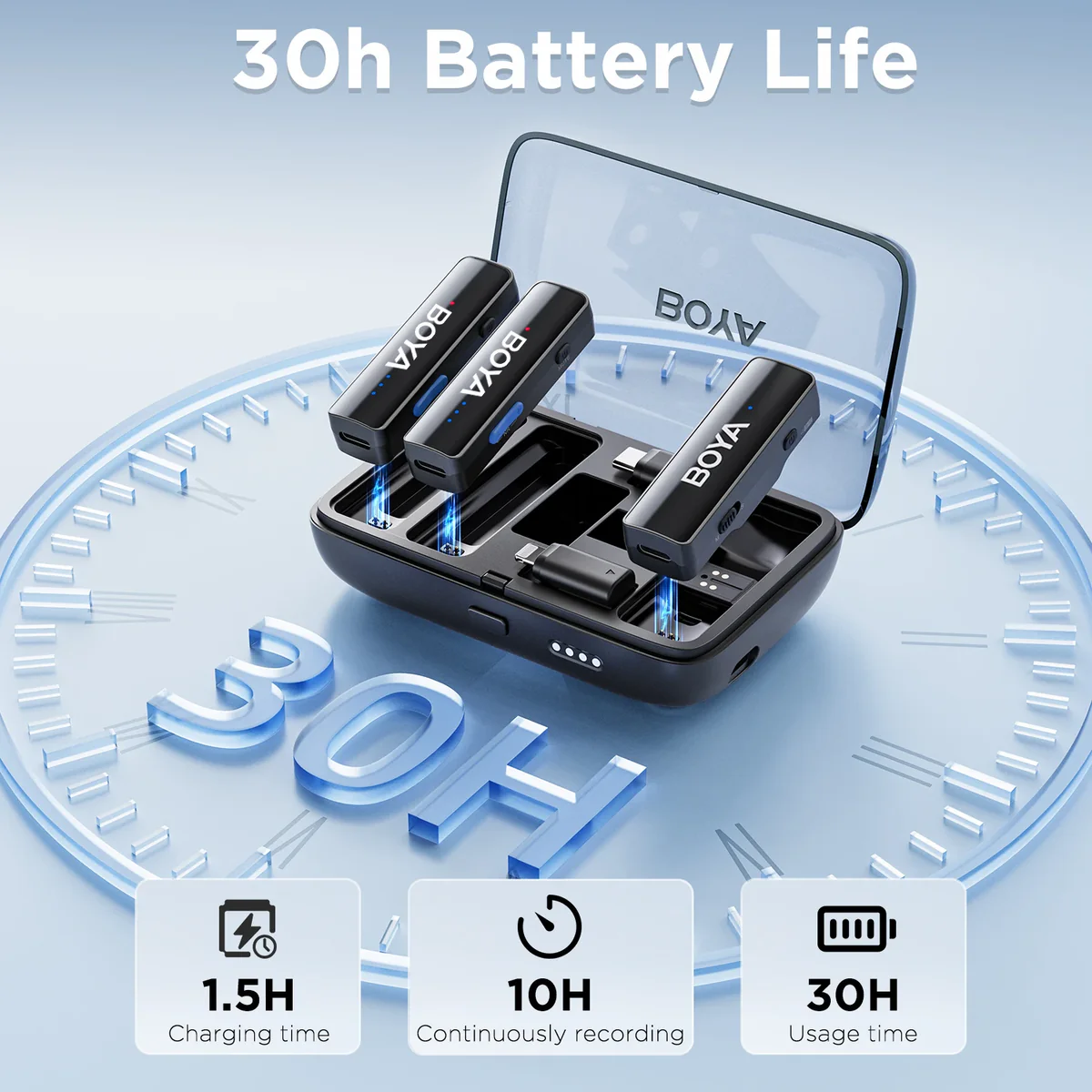
Quick Tech Store, based in Burlington, Iowa, stocks insulated tech pouches and cooling accessories that maintain safe operating temperatures during extended outdoor use.
What Gaming and Audio Gear Survives Outdoor Conditions?
Gaming peripherals with optical sensors outperform mechanical switches in dusty outdoor environments by a factor of three to one in longevity tests. Mechanical components have moving parts that trap particles. Optical sensors use light beams—nothing to clog or grind.
This durability shows up in how customers describe their purchases.
"The Redragon gaming mouse is incredible for the price. Setup was easy and the RGB looks amazing on my desk. Will definitely be ordering more accessories from here."
— Kevin J., Other Review
That reliability extends to outdoor gaming setups at cabins, campsites, and yes—beach houses with sandy floors.
For audio, true wireless earbuds with IPX4 or higher handle sweat and splashes. But the charging case matters more than the buds themselves. Cases without rubber seals let sand into the charging contacts. Then buds won't charge even if they survive the water.
How Do Protective Accessories Extend Device Life?
Waterproof pouches and cases extend smartphone beach survival from one season to three or four with proper use. The math is simple: a $15 waterproof pouch protects a $1,000 phone. But people skip them because they assume their phone's IP rating is enough. It's not. IP ratings assume brief, accidental exposure—not a day at the beach.
The best pouches use IPX8-rated materials with welded seams rather than glued ones. Welded seams don't separate when heated. Check for touchscreen compatibility too—some pouches block capacitive touch, making your phone useless inside them.
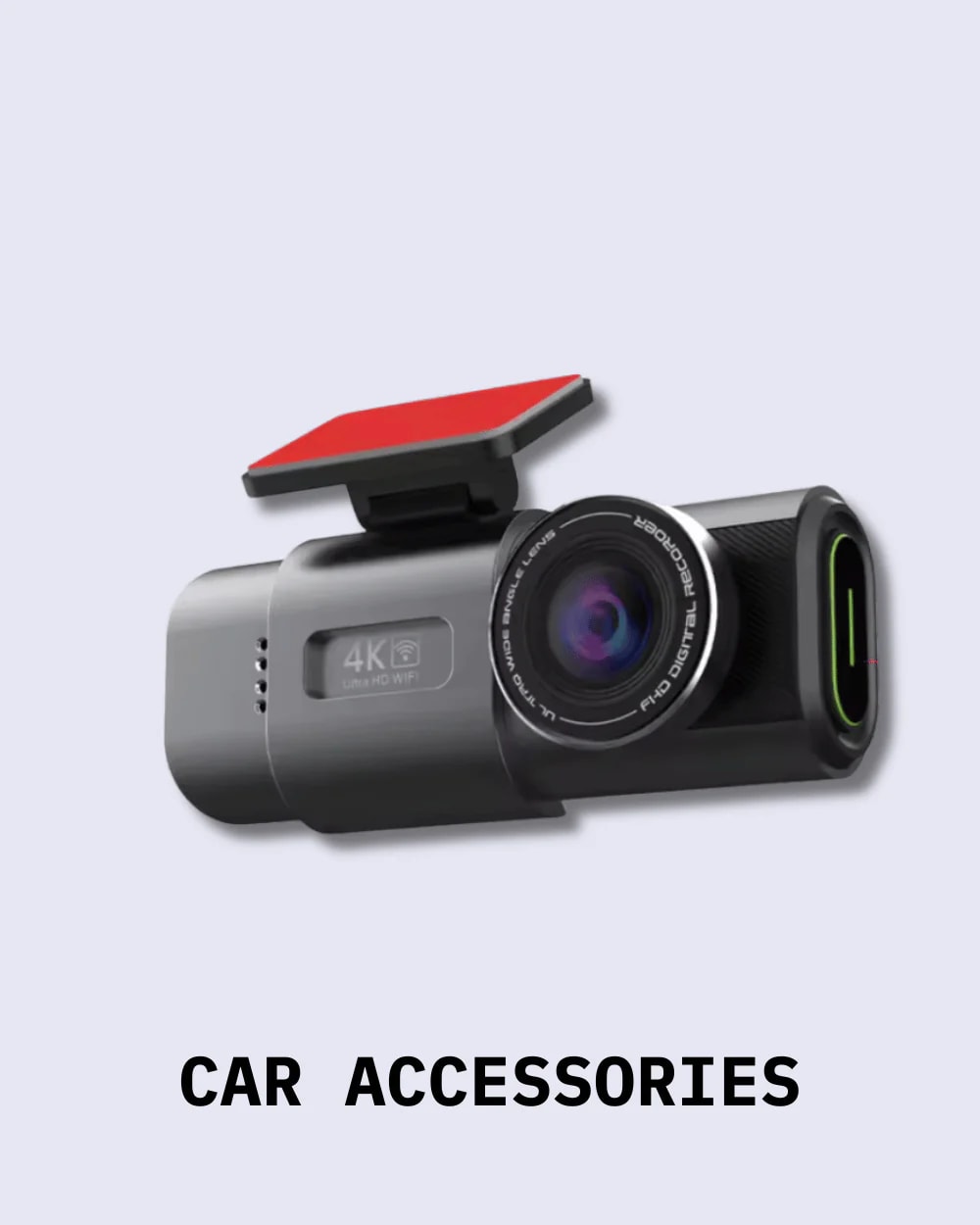
That attention to practical details shows up in how customers describe their car accessory purchases.
"Ordered the universal blind spot mirror for my wife and came pretty quickly. Pretty cheap too will be ordering again from here."
— Mason N., Other Review
Affordable accessories that actually work—that's the pattern 5-star reviewers mention repeatedly.
What Should You Check Before Any Beach Tech Purchase?
Verify three specs before buying any beach tech: IP rating (minimum IP67), operating temperature range (up to 113°F), and whether saltwater testing is mentioned. Most product pages bury this information. You'll find it in the full specifications, not the marketing highlights.

Updated practices now include checking warranty terms specifically. Some manufacturers void warranties for "environmental damage"—which includes beach use. Others explicitly cover it. That distinction matters when a $200 speaker dies in August.
The online retailer adds new products weekly, including seasonal waterproof and dustproof gear. Their transparent returns policy means you can test beach suitability without risk. Contact Quick Tech Store for specific product recommendations based on your beach destination—ocean, lake, and pool environments each have different requirements.
For more guides on selecting the right tech for specific situations, explore more local business insights from verified retailers across the country.
Key Takeaways
- IP68-rated devices survive submersion up to 1.5 meters, but sand infiltration remains the bigger threat at beaches
- Quick Tech Store ships waterproof Bluetooth speakers and ruggedized accessories nationwide from Burlington, IA
- Silicone port covers and waterproof pouches extend device lifespan by 3-4 seasons compared to unprotected tech
- Most tech failures at beaches happen from heat damage, not water—keep devices shaded and under 95°F
- Quick Tech Store's weekly inventory updates include seasonal waterproof and dustproof gear through summer 2025
Frequently Asked Questions
What IP rating do I need for beach electronics?
You need at least IP67 for beach use, which means total dust protection and submersion survival up to one meter. IP68 offers deeper water protection. However, standard IP ratings test freshwater only—saltwater and fine sand create additional challenges that require marine-grade accessories or protective pouches.
Can I use my phone at the beach without a waterproof case?
You can, but you shouldn't. Phone IP ratings assume brief accidental exposure, not sustained beach conditions. Sand particles are finer than test dust and work into ports and speakers. A waterproof pouch costs under twenty dollars and extends phone beach survival from one season to three or four.
Why do electronics fail at the beach even when they're waterproof?
Heat causes more beach tech failures than water does. Devices left in direct sun or under towels reach internal temperatures above 140 degrees Fahrenheit within twenty minutes. This swells batteries, warps housings, and corrupts data. Keep devices shaded and under 95 degrees Fahrenheit for safe operation.
Which Bluetooth speakers survive saltwater and sand?
Speakers with IP67 ratings, rubberized exteriors, and sealed passive radiators handle beach conditions best. Avoid models with exposed ports or mesh speaker grilles that trap sand. Check for operating temperature ratings up to 113 degrees Fahrenheit. Quick Tech Store ships JBL and similar beach-rated brands nationwide.
How do I protect charging ports from sand damage?
Use silicone port covers that plug into charging and audio jacks when not in use. They cost under five dollars and prevent the sand infiltration that jams connections and causes charging failures. For phones, waterproof pouches with cable pass-throughs let you charge without removing protection.
Contact Quick Tech Store
Address: 711 Sweeny Avenue, Burlington, IA 52601
Phone: 3197503249
Website: https://quicktechstore.com



.svg)

%20(1).avif)
.svg)



.svg)











%20(1).avif)
%20(1).avif)