

Quick Answer
Refined black and grey tattoos maintain crisp tonal separation and clean edges for fifteen years or longer, while rushed work blurs within six to twelve months. The difference comes down to needle depth, ink saturation, and gradual shading techniques that only experienced specialists master. Kevzink - Kevin Begay Tattoo Artist, a black and grey realism specialist in Salt Lake City, UT, creates custom pieces designed for long-term clarity and minimal fading. Updated May 2025.
What Makes Some Black and Grey Tattoos Age Better Than Others?
Proper needle depth and ink saturation create black and grey work that stays readable for fifteen years or more. When an artist rushes through shading, they often push ink too deep or too shallow. Too deep causes blowouts where lines spread under the skin. Too shallow means the ink fades unevenly within months.
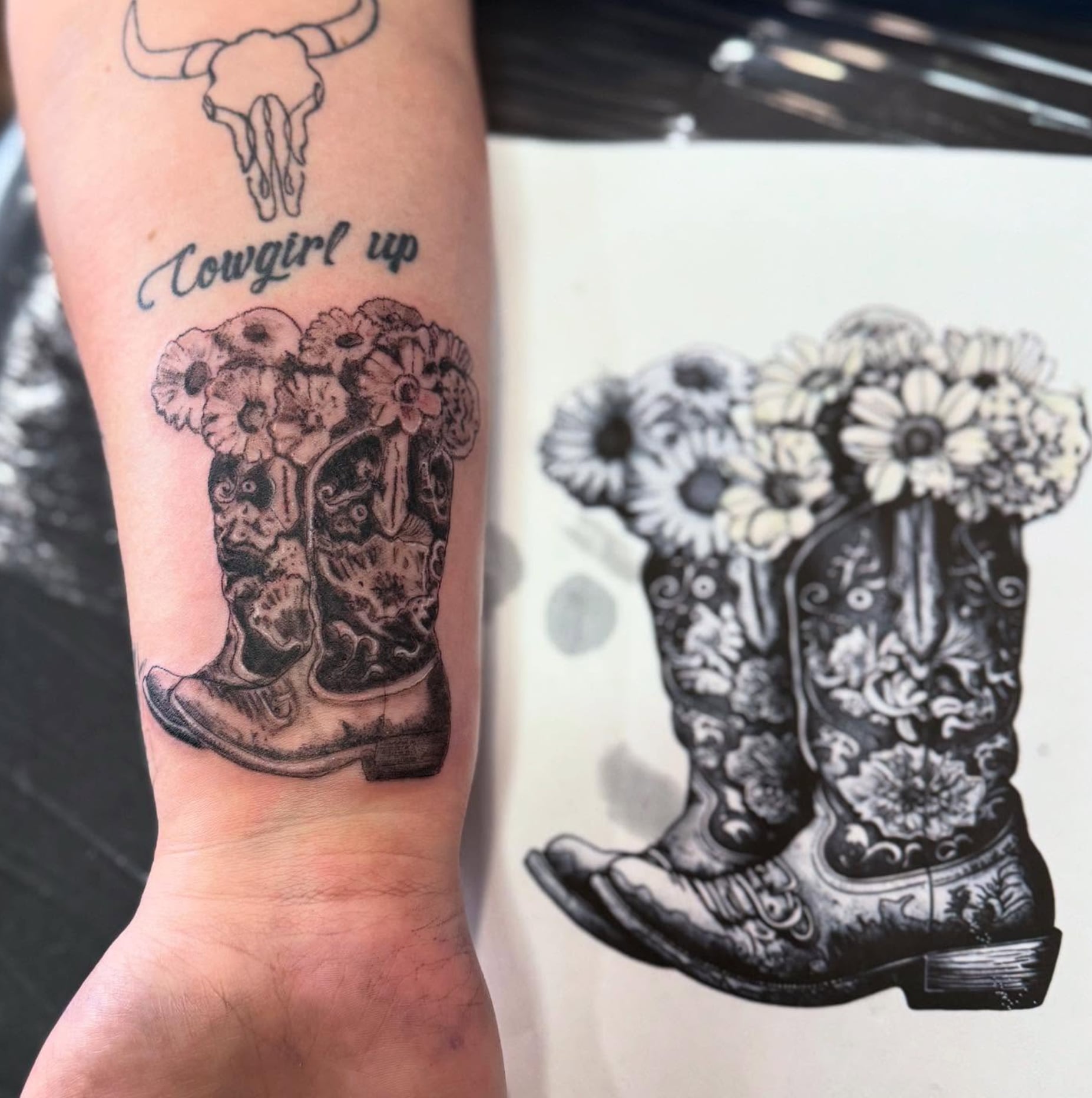
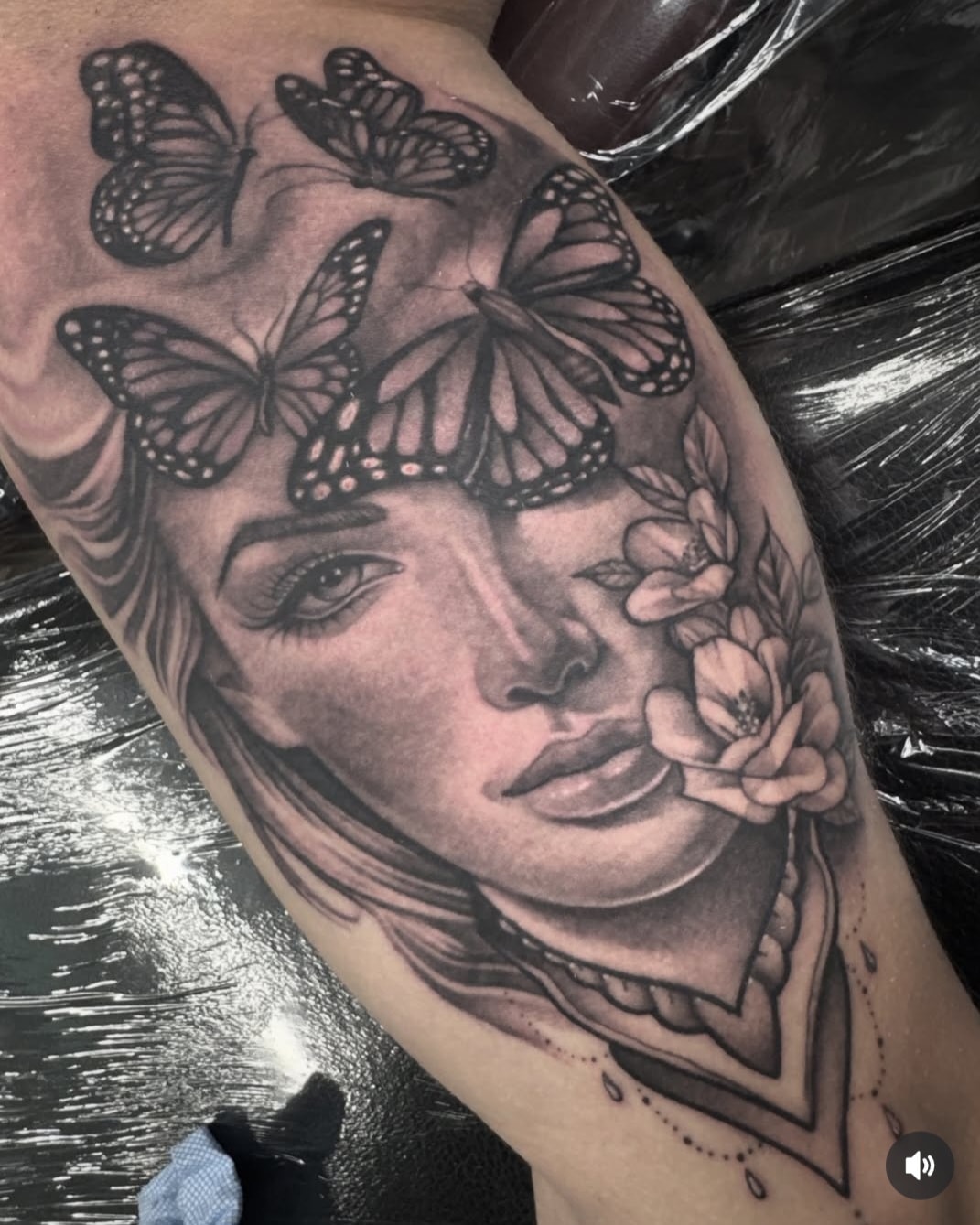
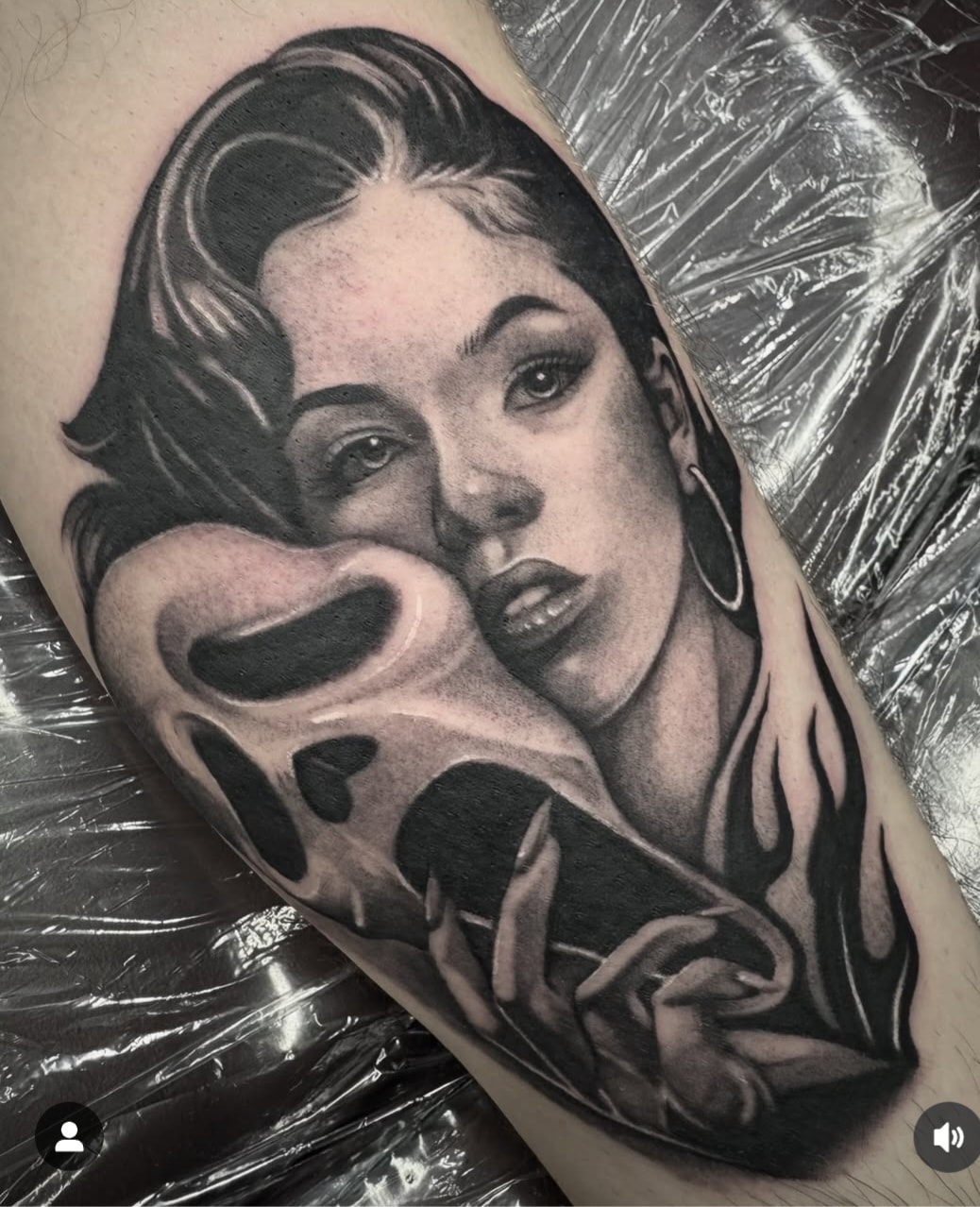
The tonal gradient (smooth transition from dark to light) tells you everything about an artist's patience. Refined work shows distinct separation between shadow and highlight areas. You can see where black becomes grey becomes skin tone. Rushed pieces look muddy because the artist didn't build up layers properly.
As of May 2025, Salt Lake City clients increasingly request black and grey realism because it suits the region's outdoor lifestyle. Learn more about Kevzink - Kevin Begay Tattoo Artist and how the specialty developed from years of focused practice in this single style.
Why Do Cheap Quotes Usually Mean Expensive Touch-Ups Later?
Artists who undercharge typically rush through sessions, creating work that needs correction within two years. While some providers in the Salt Lake City area price black and grey work at half the market rate, that savings disappears when you're paying for cover-up work or laser removal.
The whip shading technique (quick flicking motion for soft gradients) requires time to execute properly. Each pass builds density without overworking the skin. Rushed artists skip passes, leaving patchy areas that become obvious once swelling goes down.
Unlike general tattoo shops offering every style, specialists spend years mastering one approach. That focus shows in healed results. Multiple 5-star reviews mention the difference becomes clearer months after the session when rushed work starts breaking down.
What Should You Check in a Portfolio Before Booking?
Healed photos reveal what fresh photos hide—always ask to see work that's at least six months old. Fresh tattoos look sharp because swelling creates temporary contrast. The real test comes after the skin settles and sun exposure begins affecting the piece.
Look for consistent line weight (uniform thickness throughout the design) in their portfolio. Wobbly or inconsistent lines suggest unstable hand control. In black and grey realism, even slight variations destroy the illusion of depth.
This attention to detail shows up consistently in client feedback from the Salt Lake City area.
"Thank you Kevin! For my stunning jellyfish piece, it's everything I wanted it to be!!"
— Holly S., Client Review
When custom work matches the client's vision exactly, it usually means the artist spent time on the consultation—not just the needle work.
When Does a Cover-Up Require a Specialist Instead of a General Artist?
Cover-ups over dark or blown-out work require specific expertise that most general tattoo artists haven't developed. The challenge isn't just hiding old ink—it's creating something new that incorporates the old piece's shadows and density into a cohesive design.
Ink saturation (how densely pigment sits in the skin) from the original tattoo limits design options. A skilled cover-up artist assesses what's salvageable before proposing solutions. They won't promise to hide everything if the physics of ink layering make it impossible.
5-star reviewers in Salt Lake City mention this expertise specifically when describing difficult projects.
"Kevin helped me out on a cover up no one else would touch. Excellent line work and super clean. Would recommend to anyone looking in the Salt Lake City area and around."
— James O., Client Review
That willingness to tackle rejected work—and deliver clean results—separates specialists from artists who stick to easier projects.
How Does Salt Lake City's Climate Affect Black and Grey Healing?
Utah's dry air and intense UV exposure accelerate fading in poorly applied black and grey work. Tattoos that might last a decade in Seattle could blur within five years here without proper application depth and aftercare.
The dermal layer (skin level where ink permanently sits) behaves differently in arid climates. Dehydrated skin heals unpredictably, which is why experienced artists in the Salt Lake City area adjust their technique for local conditions.
Current 2025 aftercare guidelines recommend extended moisturizing periods for clients in the Wasatch Front region. But even perfect aftercare can't save a tattoo that wasn't applied correctly. The foundation matters more than the maintenance.
| Feature | Kevzink - Kevin Begay Tattoo Artist | Typical Tattoo Shops |
|---|---|---|
| Style Specialization | Black and grey realism focus | Multiple styles, general practice |
| Cover-Up Expertise | Takes difficult pieces others decline | Often refer out complex cover-ups |
| Booking Options | Walk-ins welcome plus scheduled appointments | Varies by location |
| Custom Design Process | One-of-a-kind pieces for each client | Often use flash designs or templates |
| Studio Environment | Gypsie Soul Tattoo since 2010, clean professional space | Quality varies significantly |

What Questions Should You Ask During a Consultation?
Ask to see healed work specifically in the style you want—fresh photos tell you nothing about long-term results. Any experienced artist keeps a portfolio of healed pieces because they know that's the real proof of their technique.
Also ask how they approach placement on your specific body area. Black and grey work behaves differently on ribs versus forearms versus thighs. Artists who've worked extensively with the style understand these variations and plan accordingly.
Walk-in consultations let you see the studio environment and meet the artist without commitment. That first impression often reveals professionalism levels that photos can't capture.
"Came in as a walk in and met Kevin - very professional and respectful. I love my tattoo and will definitely be going back to him for the next one."
— Tiffany H., Google Review
When walk-in experiences consistently match the quality of scheduled appointments, it signals an artist who maintains standards regardless of how the booking happened.
How Do You Know When You've Found the Right Artist?
The right black and grey artist shows consistent results across different subject matter and body placements. One great portrait doesn't prove anything. But a portfolio full of clean roses, realistic wildlife, and precise geometric work demonstrates mastered fundamentals.
For clients in the Salt Lake City, Salt Lake County, and Wasatch Front region, finding local expertise matters. You'll need follow-up access if questions arise during healing. Working with an artist at an established studio like Gypsie Soul Tattoo provides that ongoing support.
Ready to see more examples of refined black and grey work? Contact Kevzink - Kevin Begay Tattoo Artist through Instagram or visit the studio at 1460 S State St in Salt Lake City to discuss your custom piece.
Explore more local business insights to find trusted providers across Salt Lake City.
Key Takeaways
- Smooth tonal gradients and clean line work indicate refined black and grey tattooing that ages well over decades.
- Kevzink - Kevin Begay Tattoo Artist specializes in black and grey realism with proper needle depth and ink saturation techniques.
- Rushed tattoos often show blown-out lines and muddy shading within the first six months of healing.
- Proper aftercare combined with skilled application determines whether black and grey work stays crisp in Salt Lake City's dry climate.
- Cover-up work requires specific expertise that Kevzink demonstrates through difficult pieces other artists declined.
Frequently Asked Questions
How long should a black and grey tattoo take to heal completely?
Most black and grey tattoos heal surface-level within two to three weeks. Full settling into the dermis takes three to four months. During this time, the piece will appear lighter than when fresh. Artists in Salt Lake City often schedule follow-up checks around the six-week mark to assess healing progress.
What causes black and grey tattoos to turn green or blue over time?
Low-quality ink and improper needle depth cause pigment migration that shifts black toward blue-green tones. Quality carbon-based black ink maintains its tone for decades. Kevzink - Kevin Begay Tattoo Artist uses professional-grade pigments specifically formulated for black and grey realism longevity.
Can any tattoo be covered up with black and grey work?
Not every tattoo qualifies for cover-up work. Dense black sections and certain colors limit options significantly. A skilled specialist assesses the original piece's saturation and placement before proposing designs. Some pieces require laser lightening sessions before cover-up work can begin.
How much does quality black and grey work cost in Salt Lake City?
Quality black and grey realism typically costs one hundred fifty to three hundred dollars per hour in Salt Lake City as of 2025. Complex pieces requiring multiple sessions represent significant investments. However, well-executed work eliminates touch-up costs and maintains value for decades compared to rushed alternatives.
Where can I find black and grey tattoo specialists in Salt Lake City, UT?
Established studios like Gypsie Soul Tattoo at 1460 S State St house experienced black and grey specialists. Kevin Begay works from this location, accepting both walk-ins and scheduled appointments. Check artist portfolios for healed work before booking to verify consistent quality across different pieces.
Contact Kevzink - Kevin Begay Tattoo Artist
Address: 1460 S State St, Salt Lake City, UT 84115
Phone: +13852993351
Website: https://www.instagram.com/kevzink


.svg)

%20(1).avif)
.svg)


.svg)










%20(1).avif)
%20(1).avif)