




Quick Answer
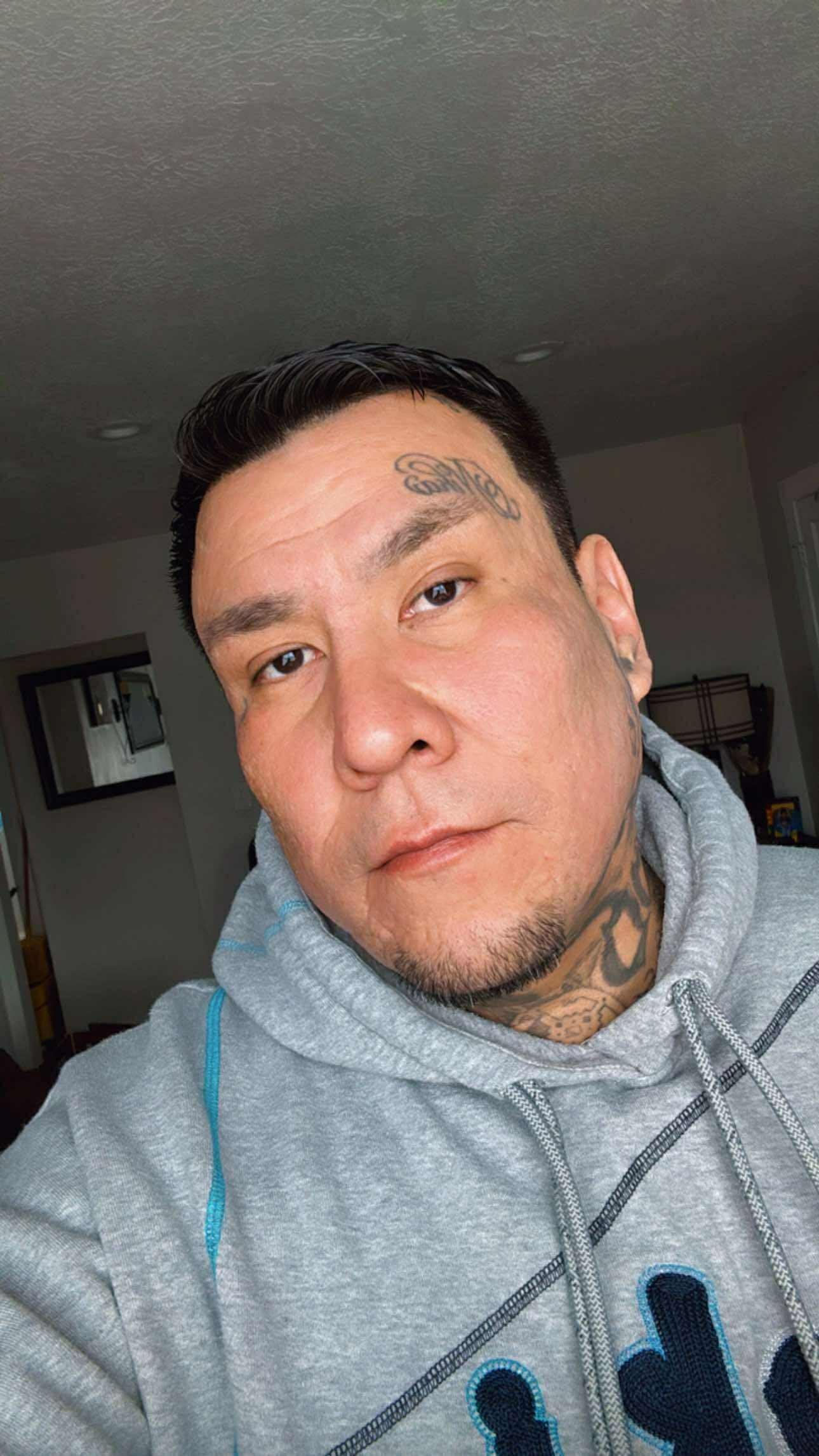
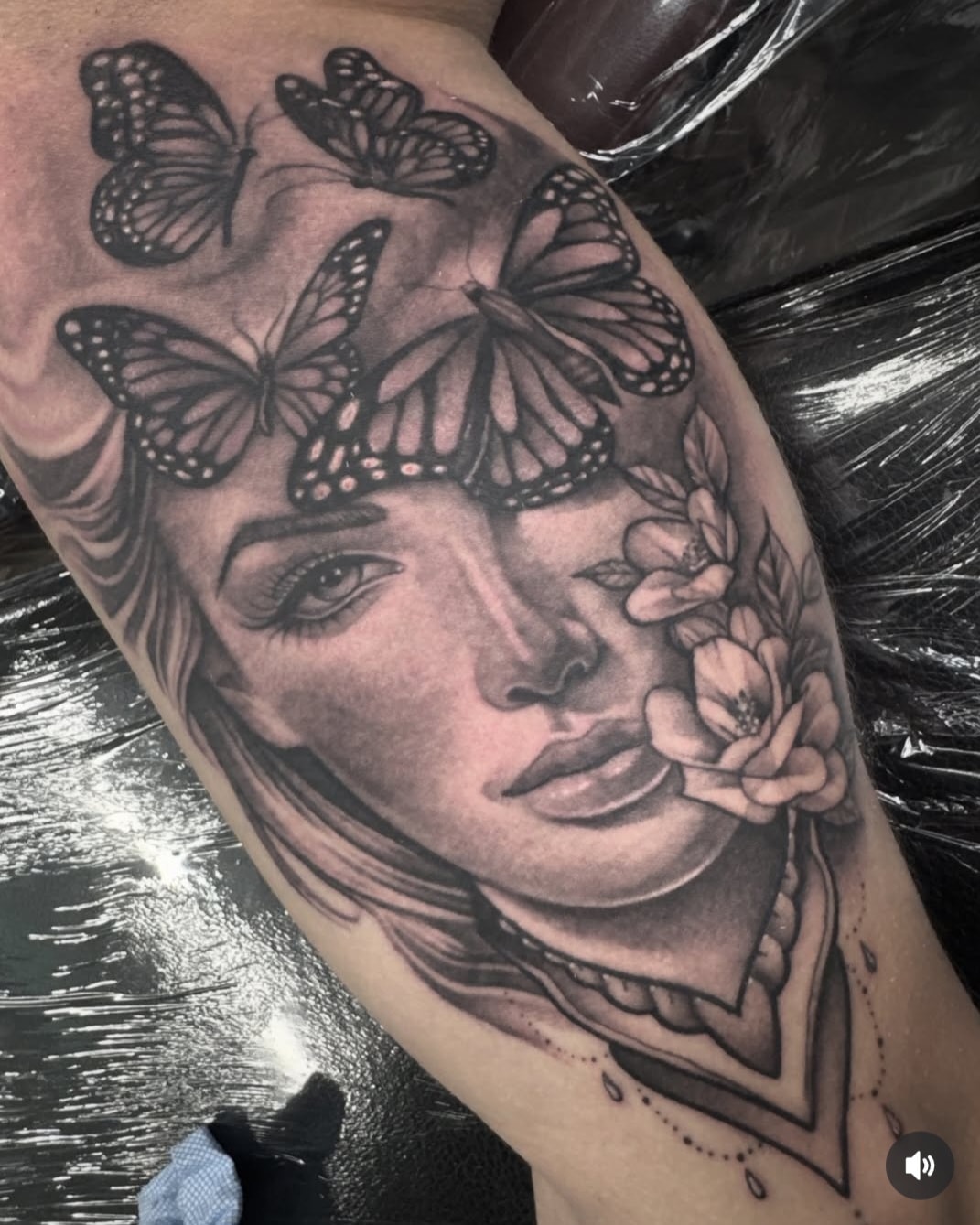
Black and grey tattoos require strict sun avoidance and controlled moisture levels during the critical first three weeks of healing, especially during Utah summers. Summer healing mistakes cause more touch-up appointments than any other seasonal factor, with sun exposure and pool water being the top culprits. Kevzink - Kevin Begay Tattoo Artist, a black and grey realism specialist in Salt Lake City, UT, provides clients with climate-specific aftercare protocols that account for high elevation UV intensity. Updated June 2025.
What Went Wrong the First Week After Getting Inked?
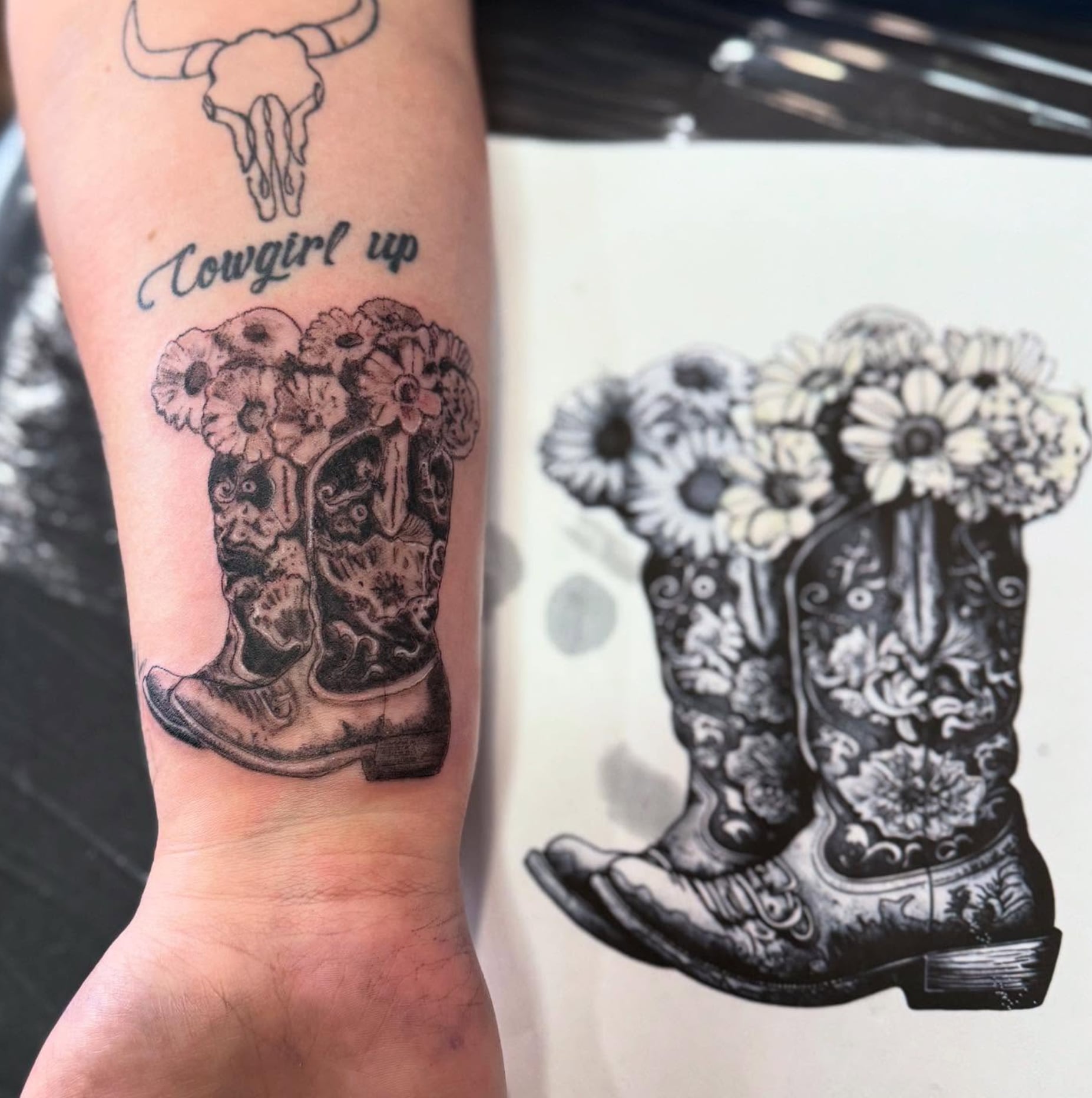
The first 72 hours determine whether a black and grey tattoo heals with crisp gradients or muddy tones. I got my forearm piece done in early June and figured keeping it moisturized meant slathering on lotion every few hours. That was mistake number one. Over-moisturizing during the initial healing phase trapped bacteria against the skin and created a breeding ground for irritation.
The ink saturation (how deeply pigment settles into the dermis) depends on letting the skin breathe between moisture applications. My tattoo artist had told me to apply a thin layer of unscented lotion twice daily. I thought more was better. By day four, the area looked cloudy and felt warm to the touch.
Salt Lake City summers mean low humidity and high temperatures. That combination dries out fresh tattoos fast, so the instinct to over-moisturize makes sense. But the fix isn't more lotion. It's timing applications correctly and using products that absorb rather than sit on the surface. Learn more about Kevzink - Kevin Begay Tattoo Artist and their aftercare protocols that account for Utah's unique climate challenges.
Why Did One Weekend at the Pool Cost Me Three Months of Healing?
Submerging a healing tattoo in chlorinated water pulls ink directly from the dermis layer before it has time to set. Two weeks after my session, I went to a friend's pool party. I kept my arm out of the water for the first hour. Then it got hot. Then I figured a quick dip wouldn't hurt.
The peeling stage (when the top skin layer sheds to reveal healed ink underneath) hadn't finished. Chlorine is designed to kill bacteria, which means it's also excellent at breaking down the proteins holding fresh ink in place. Within a week, I noticed patchy areas where the black had turned grayish-green.

Natural bodies of water carry bacteria that pose infection risks. But even a clean, well-maintained pool creates chemical exposure problems. The rule I ignored: no submersion for a minimum of three weeks. As of June 2025, that recommendation remains standard among professional tattoo artists across the Wasatch Front region.
How Does Utah's High Elevation Make Sun Damage Worse?
UV intensity increases approximately 10 percent for every 3,000 feet of elevation gain, making Salt Lake City summers particularly harsh on healing tattoos. I knew sun exposure was bad. What I didn't understand was how much worse it gets at 4,300 feet.
The third mistake happened during a Saturday hike up Millcreek Canyon. I wore a long sleeve shirt but rolled it up when I got hot. Ten minutes of direct sun. That's all it took. The gradient shading (smooth transitions between dark and light areas) in my tattoo started looking blown out within days.
This pattern holds for anyone healing black and grey work in Salt Lake City. The combination of low humidity, high UV, and summer heat creates a triple threat. Experienced artists in the area specifically warn clients about elevation-related sun sensitivity. While some providers focus on speed, the better approach prioritizes client education about healing realities.
Local client feedback confirms this experience isn't unique.
"Kevin helped me out on a cover up no one else would touch. Excellent line work and super clean. Would recommend to anyone looking in the Salt Lake City area and around."
— James O., Other Review
Cover-up work often involves addressing fading from improper healing. The cycle repeats when clients don't get proper guidance upfront.
What Finally Fixed the Damage After Three Failed Attempts?
Touch-up sessions work best when scheduled after the skin has fully recovered from initial trauma, typically eight to twelve weeks post-original appointment. I tried to rush back for fixes at week six. The artist explained that the skin wasn't ready to hold new ink properly yet.
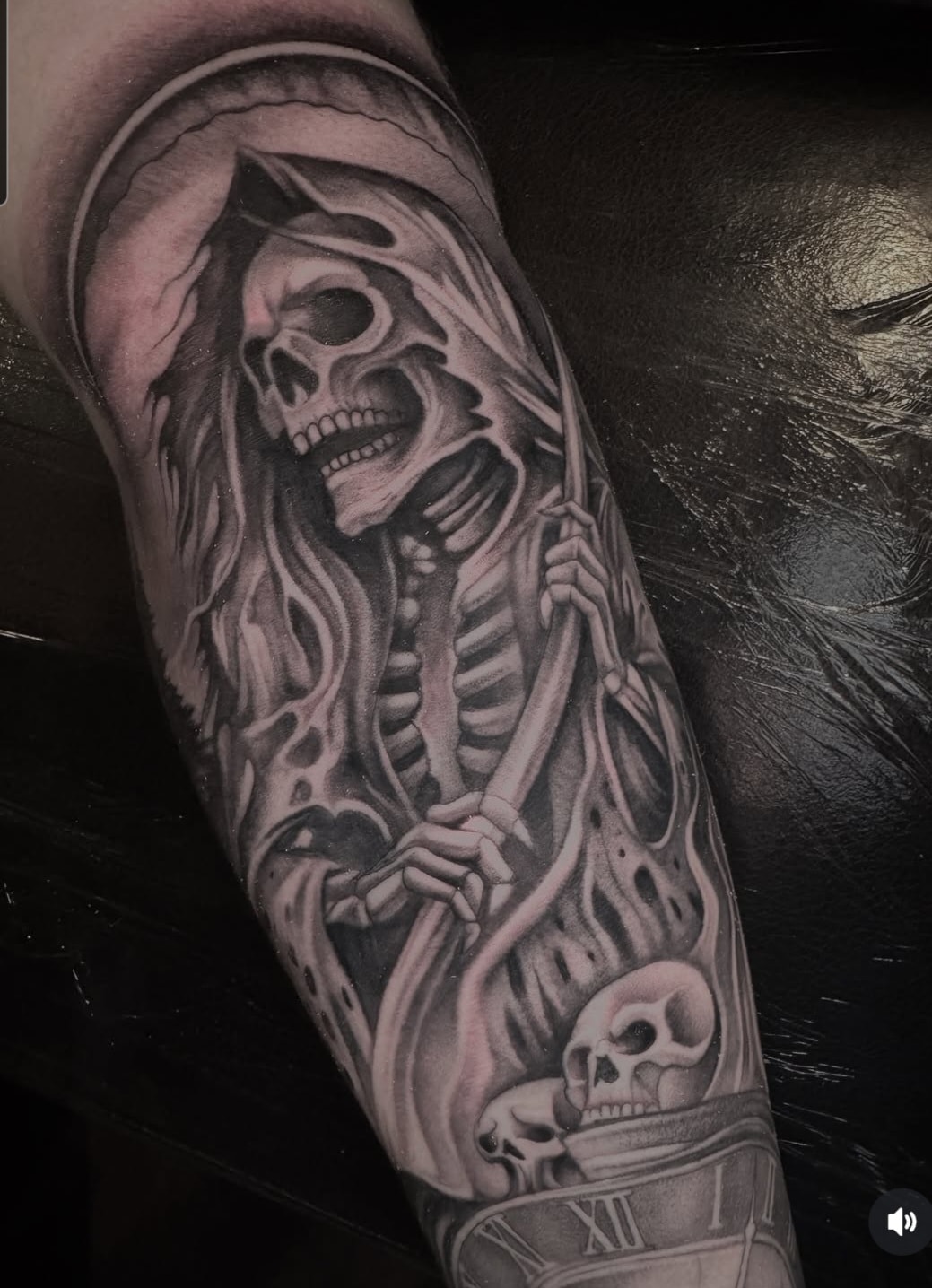
The waiting period felt endless. But when I finally went back at week ten, the touch-up took half the time and the ink retention (how well pigment stays in the skin long-term) improved dramatically. Patience during recovery matters as much as the original session quality.
Walk-in availability helped when I needed honest advice about timing.
"Came in as a walk in and met Kevin - very professional and respectful. I love my tattoo and will definitely be going back to him for the next one."
— Tiffany H., Google Review
That professionalism extends to telling clients when they need to wait rather than booking unnecessary sessions.
When Should You Schedule Black and Grey Work in Utah?
Fall and winter appointments give healing tattoos the best chance of surviving without sun damage complications. Looking back, scheduling a detailed forearm piece in June was the original mistake. Everything else cascaded from that timing decision.
If summer timing can't be avoided, planning matters more. Block three weeks without pool access, outdoor events, or activities requiring exposed skin. Salt Lake City summers last from late May through September, which means a narrow window of ideal conditions for healing placement-visible tattoos.
Current 2025 guidelines from professional artists recommend SPF 50+ on healed tattoos for the rest of their life. But during healing, sun avoidance beats sunscreen. Covered skin stays protected. Sunscreen on broken skin creates irritation.
"Kevin nailed my vision, if you're looking for clean, professional work in SLC he's your guy."
— Billy G., Other Review
Clean work deserves clean healing. The two go together.
What Questions Should You Ask Before Your Summer Session?
Asking about climate-specific aftercare before booking prevents the cycle of damage and repair that costs time and money. I wish I'd asked these questions before my original appointment: How does Utah's elevation affect healing? What products work best in dry heat? How long before I can swim?
The difference between artists who hand out generic aftercare sheets and those who customize advice for local conditions shows up in healed results. Kevzink - Kevin Begay Tattoo Artist, working out of Gypsie Soul Tattoo on State Street, provides guidance specific to the Salt Lake County climate. That studio has served the community since 2010, building knowledge about what works here.
Multiple 5-star reviews highlight the attention to detail that extends beyond the tattoo itself. For clients serious about protecting their investment, that education component matters. Contact Kevzink - Kevin Begay Tattoo Artist through Instagram to discuss your project and get answers about summer healing realities before committing to a session date.
Explore more local business insights to find trusted service providers across Salt Lake City.
Key Takeaways
- Sun exposure during the first two weeks of healing causes the most significant fading in black and grey tattoos.
- Kevzink - Kevin Begay Tattoo Artist provides detailed aftercare guidance specific to Utah's dry summer climate.
- Over-moisturizing creates as many problems as under-moisturizing during summer healing periods.
- Swimming in chlorinated pools or natural bodies of water before full healing pulls ink from the dermis layer.
- Clients in Salt Lake City benefit from scheduling black and grey work during cooler months or planning indoor recovery time.
Frequently Asked Questions
How long should you wait to swim after getting a black and grey tattoo?
Wait a minimum of three weeks before submerging a new tattoo in any water. Chlorine pulls ink from the dermis layer before it sets, and natural water carries bacteria risking infection. This timeline applies regardless of how healed the surface appears. Your artist can confirm readiness at a follow-up check.
Why does sun exposure cause more damage to tattoos at high elevation?
UV intensity increases roughly 10 percent for every 3,000 feet of elevation. Salt Lake City sits at 4,300 feet, making summer sun significantly harsher than sea-level locations. Fresh tattoos lack the protective skin barrier needed to filter UV rays. Keep new work completely covered during outdoor activities.
Can you over-moisturize a healing tattoo?
Yes. Applying too much lotion traps bacteria and prevents skin from breathing properly. This leads to cloudy healing and potential irritation. Apply a thin layer of unscented lotion twice daily rather than frequent heavy applications. The goal is hydration without suffocation during the peeling stage.
How long before a touch-up session can fix summer healing damage?
Wait eight to twelve weeks after the original session before scheduling touch-up work. Rushing back too early means skin hasn't fully recovered and won't hold new ink properly. The waiting period feels long but dramatically improves touch-up results. Artists can assess readiness during a quick consultation.
What is the best time of year to get a tattoo in Salt Lake City, UT?
Fall and winter provide ideal healing conditions in Salt Lake City. Lower UV intensity, cooler temperatures, and naturally covered skin reduce healing complications. If summer timing is unavoidable, plan three weeks of indoor recovery and strict sun avoidance. Clients along the Wasatch Front benefit from this seasonal approach.
Contact Kevzink - Kevin Begay Tattoo Artist
Address: 1460 S State St, Salt Lake City, UT 84115
Phone: +13852993351
Website: https://www.instagram.com/kevzink



.svg)

%20(1).avif)

.svg)



.svg)











%20(1).avif)
%20(1).avif)