


Quick Answer
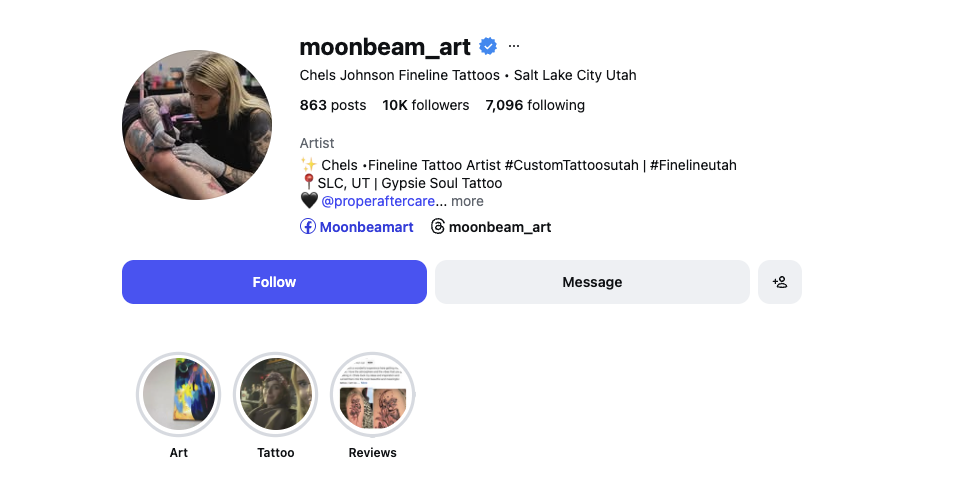
Preparing your skin for a fine line tattoo requires a focused seven-day routine covering hydration, sun avoidance, and eliminating substances that affect ink retention. Starting one week out gives your skin time to reach optimal condition for delicate linework that heals clean and holds detail. Moon Beam Chels, a fine line tattoo artist in Salt Lake City, UT, guides clients through this exact preparation process at Gypsie Soul Tattoo. Updated January 2025.
Why Does Skin Preparation Actually Matter for Fine Line Work?
The condition of your skin on tattoo day determines how cleanly ink settles into the dermis and how sharp those delicate lines stay over time. Fine line tattoos use single-needle techniques that deposit less ink per pass than traditional work. That means every variable matters more. Dry skin doesn't hold pigment evenly. Sunburned skin rejects ink entirely. Dehydrated tissue swells unpredictably during the session.
Think of your skin like a canvas. You wouldn't paint on warped, cracked material and expect crisp results. The same logic applies here. When clients skip preparation, they often end up with patchy healing, blurred lines, or spots where ink falls out during the first few weeks. None of that reflects the artist's skill—it reflects what the skin could actually accept.
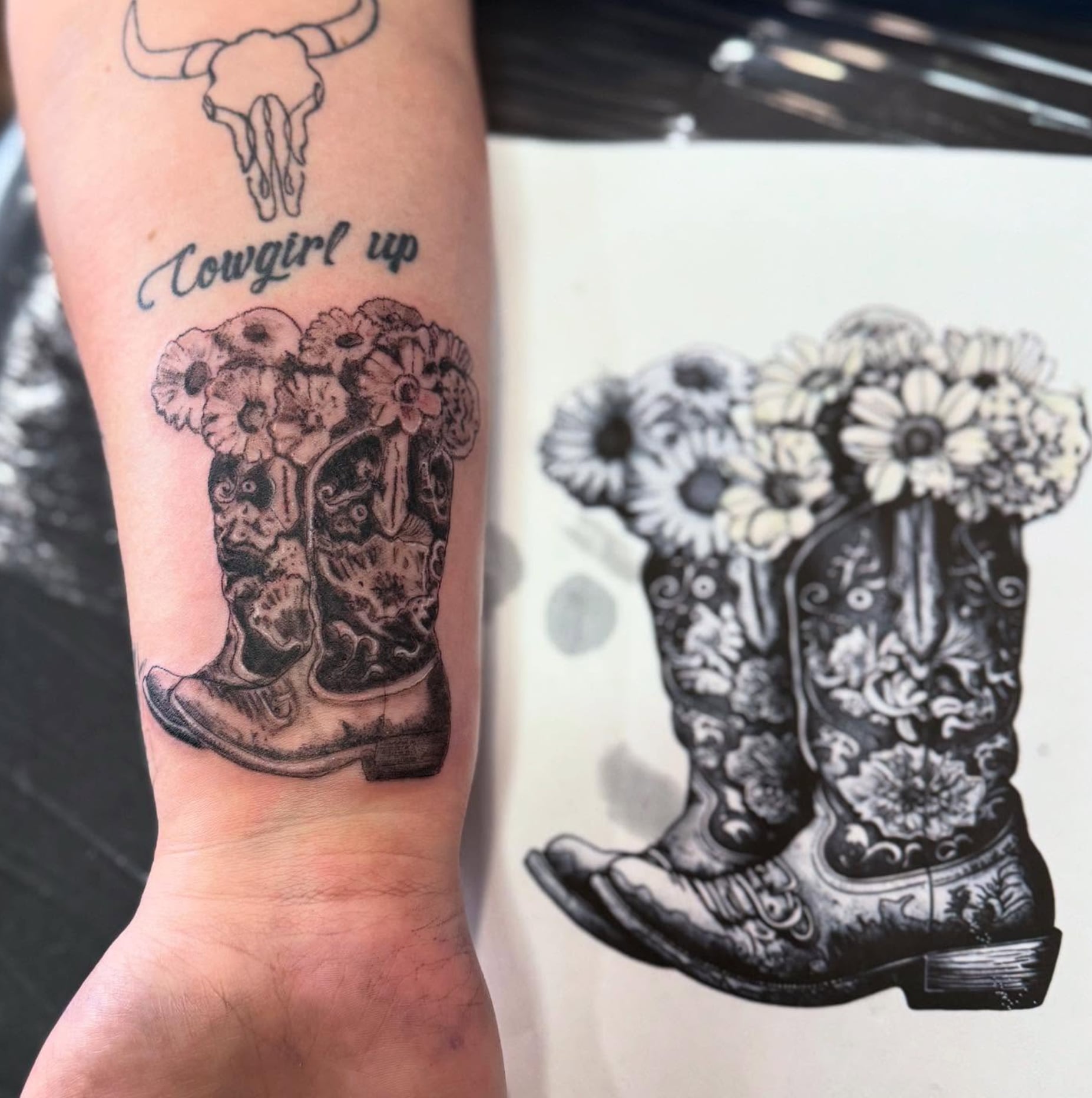
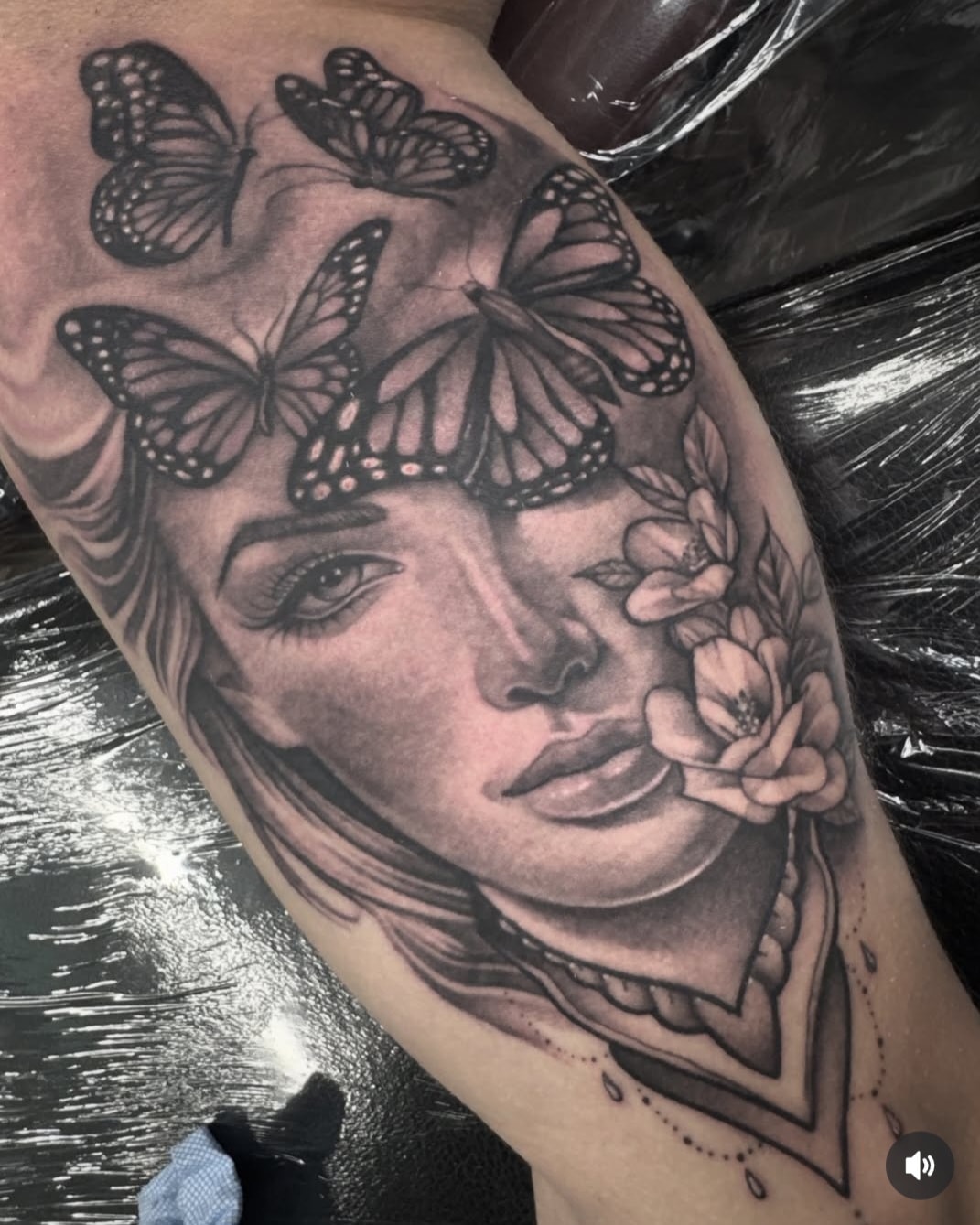
As of January 2025, experienced fine line artists in Salt Lake City consistently emphasize that client preparation accounts for roughly half of the final result. The artist controls technique. You control the canvas. Learn more about Moon Beam Chels and what makes proper preparation non-negotiable for intricate work.

What Should You Do Seven Days Before Your Appointment?
Seven days out marks the start of your active preparation phase—this is when hydration and sun protection become daily priorities. Your skin cells take about a week to cycle through their regeneration process. Starting now means the fresh, healthy layer that forms will be the one receiving ink.
Begin moisturizing the specific area daily. Use an unscented, gentle lotion—nothing with heavy fragrances or active ingredients like retinol. You're building skin elasticity (how well skin stretches and rebounds), not treating acne. Apply after showers when pores are open and skin absorbs product more effectively.
Cut out tanning immediately. This includes beds, outdoor sunbathing, and spray tans. UV damage creates inflammation that won't fully resolve in seven days. Spray tan chemicals sit in the epidermis (outer skin layer) and interfere with ink deposit. If your tattoo area already has a tan, let your artist know—they may adjust the session or reschedule.
Drink water like it's your job. Aim for half your body weight in ounces daily. Hydrated skin holds ink better, heals faster, and causes less discomfort during the session. Salt Lake City's high desert climate makes this especially important—the dry air works against you.
What Changes During the Final 72 Hours?
The last three days before your tattoo require stricter rules because what enters your bloodstream directly affects how you bleed and heal. This is when preparation shifts from skin-focused to whole-body focused.
Stop drinking alcohol 48-72 hours out. Alcohol thins your blood, which means more bleeding during the session. More bleeding pushes ink out before it settles. It also dehydrates you, undoing a week of water intake. One night out can cost you weeks of healing quality.
Avoid aspirin, ibuprofen, and fish oil supplements—all blood thinners. Acetaminophen is fine if you need pain relief. Check with your doctor before stopping any prescribed medications, but flag the concern for your artist.
Clients throughout the Salt Lake Valley sometimes underestimate how altitude affects healing. At 4,200 feet, your body already works harder to oxygenate tissue. Don't compound the challenge with substances that compromise circulation.
This attention to timing shows up in client experiences. One reviewer's feedback captures the broader pattern:
"Chels is amazing and does beautiful work, and you won't find a sweeter artist in SLC! She has wonderful attention to detail, and I can't praise her work enough. I'm so excited to get more work done by her."
— Hailey B., Google Review
That level of detail only shows when clients arrive with skin ready to receive it.
What Mistakes Ruin Good Preparation at the Last Minute?
Most preparation failures happen in the final 24 hours when clients assume they're already in the clear and stop being careful. You've done the work. Don't undo it.
Don't shave the tattoo area yourself the morning of. Shaving creates micro-abrasions that increase infection risk and irritate the skin right before it takes additional trauma. Your artist will shave the area with sterile equipment designed for pre-tattoo prep.
Skip the gym that morning. Exercise increases blood flow and can cause excess bleeding. It also makes you sweaty, which isn't ideal for a sterile procedure. Work out the day before if you need the routine.
Don't apply lotion on tattoo day. While moisturizing all week helps, lotion on the day creates a barrier that interferes with stencil transfer and ink absorption. Arrive with clean, product-free skin.
Eat a real meal 1-2 hours before. Low blood sugar during a tattoo causes dizziness, nausea, and fainting. Your body needs fuel to handle the stress response. Protein and complex carbs work best—skip the sugary pastry.

How Does Salt Lake City's Climate Affect Tattoo Preparation?
Utah's high desert environment creates specific challenges that clients from humid climates never consider—and locals often underestimate. The low humidity pulls moisture from your skin constantly, making baseline hydration harder to maintain.
Winter months bring additional concerns. Indoor heating strips humidity further. Many people increase caffeine intake when it's cold, which acts as a diuretic and counteracts your water intake. If you're preparing during November through March, add an extra 16-20 ounces of water daily.
Summer brings sun intensity that surprises newcomers. At altitude, UV exposure increases roughly 10% per 1,000 feet of elevation. Even brief outdoor time without sunscreen can create enough damage to delay your session. Apply SPF 30+ to the tattoo area anytime you're outside, even for errands.
Moon Beam Chels, working out of Gypsie Soul Tattoo in Salt Lake City, addresses these regional factors during consultations. That local expertise matters when generic online advice doesn't account for your specific environment.
This studio-wide commitment to client experience shows in feedback consistently:
"Shout out to Gypsie Soul! Best tattoo experience yet. From the professionalism, to the cleanliness, to the talent, you guys are awesome! Thank you and I can't wait for the next session!"
— Kristen McAlexander, Google Review
That kind of experience starts before you ever walk through the door.
What Should First-Time Tattoo Clients Know That Experienced Collectors Already Do?
Experienced collectors treat preparation as routine because they've learned what happens when they skip it—first-timers don't have that reference point yet. The difference shows in healing outcomes.
Seasoned clients know that aftercare (post-tattoo healing routine) gets easier when prep is thorough. Skin that arrives healthy stays healthy. Skin that arrives compromised fights harder to recover. This affects everything from peeling intensity to how long redness lasts.
They also understand that ink saturation (how deeply and evenly pigment settles) depends on skin condition. A fine line tattoo on well-prepared skin holds crisp edges for years. The same design on damaged skin may need touch-ups within months.
If you're booking your first tattoo in Salt Lake City, ask your artist specific preparation questions during the consultation. Good artists welcome these conversations—they want your tattoo to heal perfectly too.
This welcoming approach defines the best client experiences:
"Chels did a rework for me today! I loved my experience with her. She's easy-going and attentive, and her artistry speaks for itself. She makes me want more tattoos!"
— Sadie W., Google Review
When you feel comfortable asking questions, you get better answers—and better results.
When Should You Reach Out to Book Your Session?
Quality fine line artists in Salt Lake City often book several weeks out, so starting your preparation before securing an appointment wastes effort. Lock in your date first, then count backward seven days to begin your routine.
While some providers focus on speed, the better approach prioritizes matching artist availability with your readiness. Rushing to fill a last-minute cancellation slot often means arriving unprepared. Unless you've already been maintaining excellent skin care, those quick openings usually aren't worth it.
Use the booking lead time productively. Review portfolio work to confirm style alignment. Finalize your design concept. Ask about deposit requirements and studio policies. This front-end work makes the actual session smoother for everyone.
Current 2025 scheduling for established artists often requires 3-6 weeks advance booking. Factor that timeline into any event-specific tattoo plans—graduations, anniversaries, memorials. Contact Moon Beam Chels via text at 801-678-7275 or Instagram DM to start your consultation and secure your appointment.
The right preparation transforms a tattoo from something you got into something you love. Take the seven days seriously. Your skin—and your artist—will thank you. Explore more local business insights to continue learning about Salt Lake City's best service providers.
Key Takeaways
- Start your skin preparation routine exactly seven days before your tattoo appointment for optimal ink retention
- Moon Beam Chels recommends avoiding sun exposure and tanning beds throughout the entire prep week to prevent complications
- Hydration matters both inside and out—drink water consistently and moisturize the tattoo area daily
- Skip blood-thinning substances like alcohol and certain medications 48-72 hours before your Salt Lake City session
- Proper preparation directly impacts how clean your fine line tattoo heals and how sharp the details stay long-term
Frequently Asked Questions
How long before a fine line tattoo should I stop drinking alcohol?
Stop drinking alcohol 48 to 72 hours before your tattoo appointment. Alcohol thins your blood, causing excess bleeding that pushes ink out before it settles properly. It also dehydrates your skin, reversing the hydration work you've done all week. Stick to water instead.
Can I use retinol or exfoliating products before getting a tattoo?
Avoid retinol, chemical exfoliants, and active skincare ingredients for at least one week before your session. These products thin the skin and increase sensitivity, making the tattoo process more painful and healing more unpredictable. Use gentle, unscented moisturizer only.
Should I shave the tattoo area myself before my appointment?
Do not shave the tattoo area yourself before arriving. Home shaving creates micro-abrasions that increase infection risk and irritate skin right before additional trauma. Your artist will shave the area using sterile equipment specifically designed for pre-tattoo preparation.
What should I eat before getting a fine line tattoo?
Eat a balanced meal with protein and complex carbohydrates one to two hours before your appointment. Low blood sugar during tattooing causes dizziness, nausea, and potential fainting. Avoid sugary foods that spike and crash your energy. Your body needs steady fuel.
How does Salt Lake City's dry climate affect tattoo healing?
Salt Lake City's high desert climate constantly pulls moisture from skin, making hydration harder to maintain. Drink extra water daily, especially during winter when indoor heating strips humidity further. Local artists factor these regional conditions into their preparation guidance for clients.


.svg)

%20(1).avif)

.svg)




.svg)











%20(1).avif)
%20(1).avif)